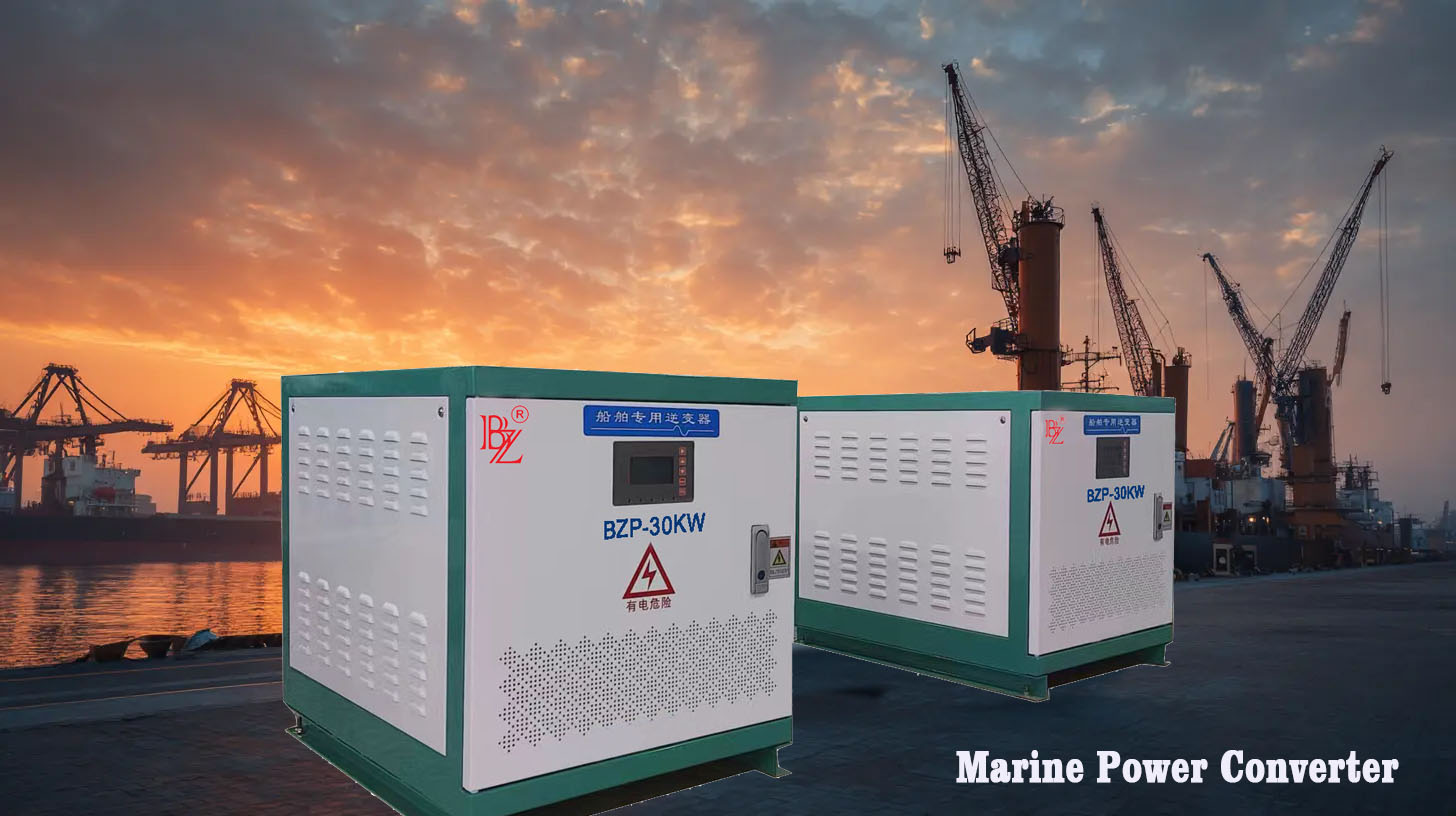
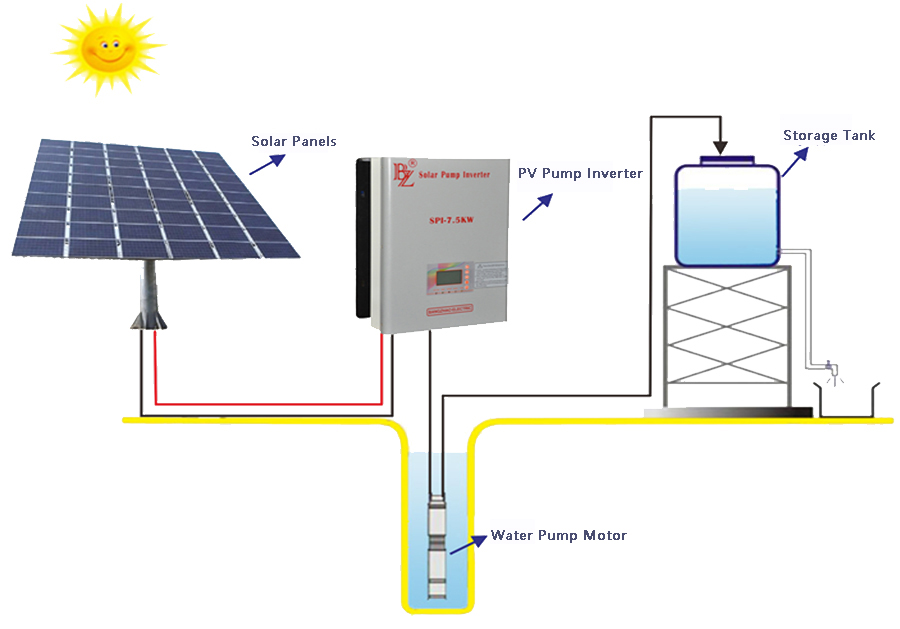
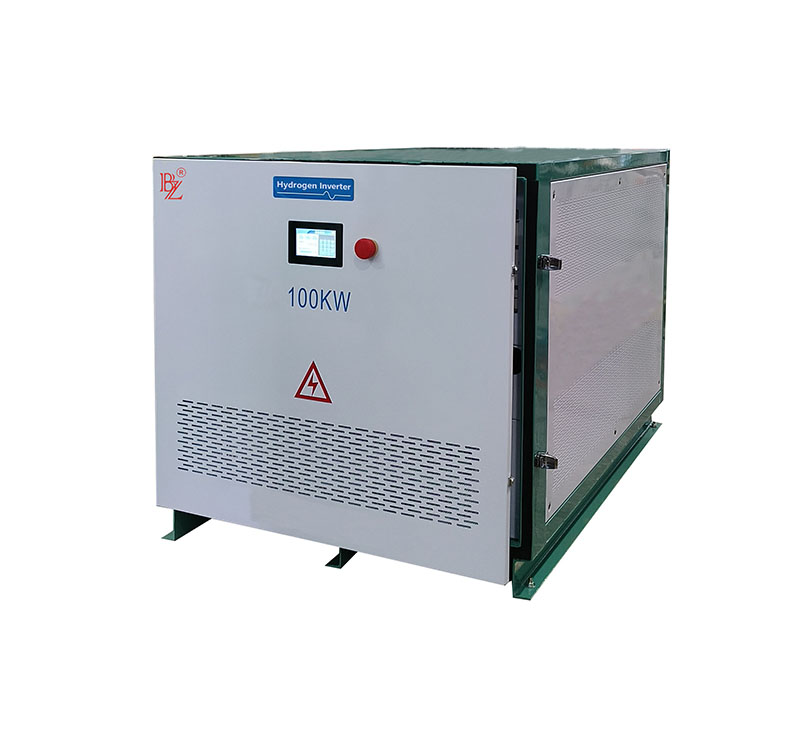
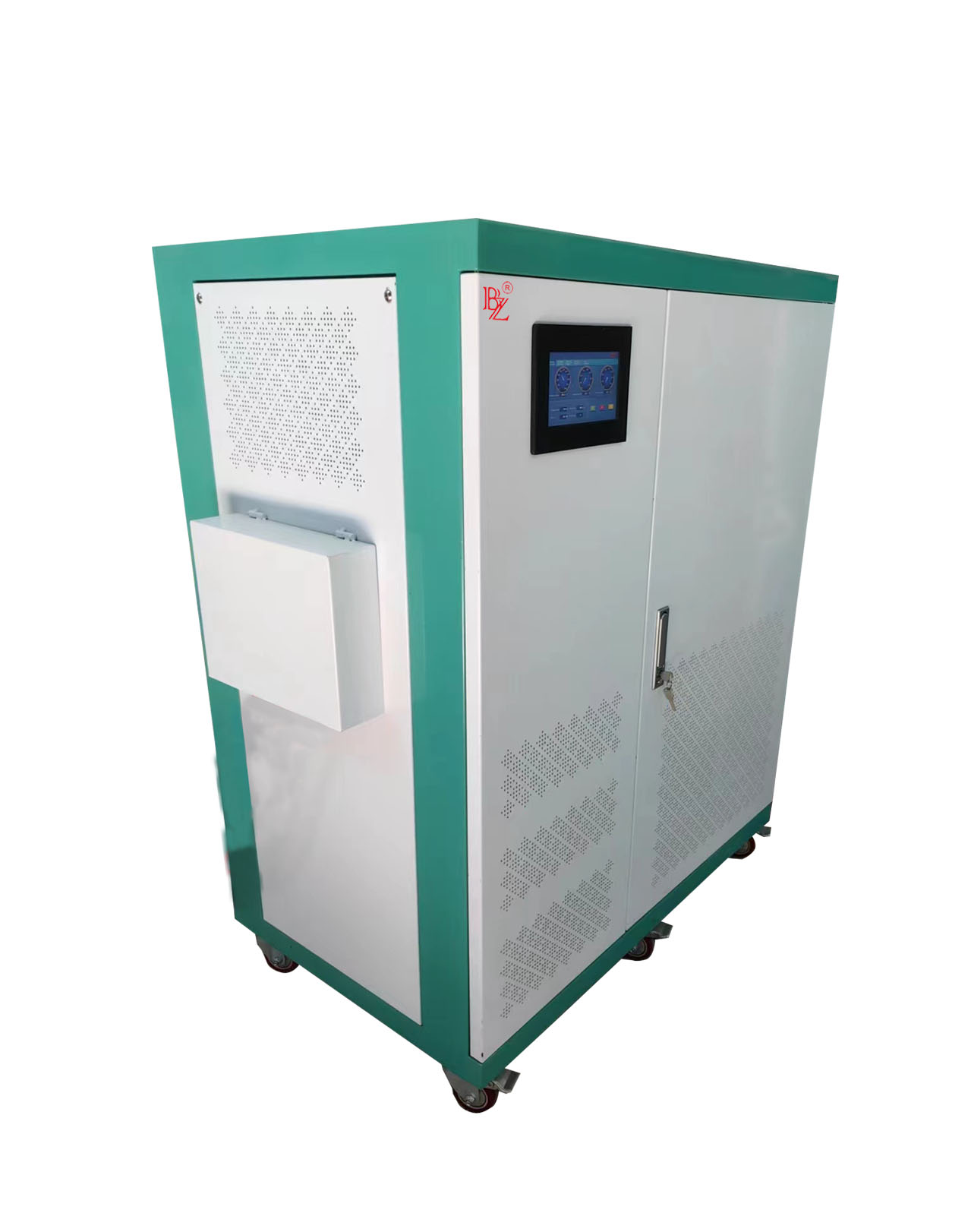
As the maritime industry moves more and more towards sustainability, it’s clear that integrating eco-friendly tech isn’t just a trend anymore—it's pretty much essential if we want to cut down on environmental impact. One of the standout innovations here is Shore Power Converters, which are becoming really important for helping ships cut emissions while they’re docked. I came across a report by Allied Market Research that says the global marine renewable energy market could hit $18 billion by 2025. That's a sign that there's a big demand for cleaner energy solutions in shipping. Basically, this growth shows why having reliable shore power systems is so crucial. These systems let vessels connect to onshore electrical grids, so they can use greener energy instead of running diesel generators onboard all the time.
Because of this rising demand, lots of companies are stepping up their game in the Shore Power Converter space. Big names like Wärtsilä and Schneider Electric are pushing the envelope—improving efficiency and making it easier for ships to hook up to onshore power. The International Maritime Organization (IMO) isn’t ignoring this either. They’re planning to roll out regulations that aim to cut greenhouse gases from ships significantly by 2030. In this article, we’ll take a look at the top Shore Power Converters available in 2025, highlighting the coolest and most eco-friendly options out there. It’s pretty exciting to see how all this is helping steer the shipping industry toward a more sustainable future.
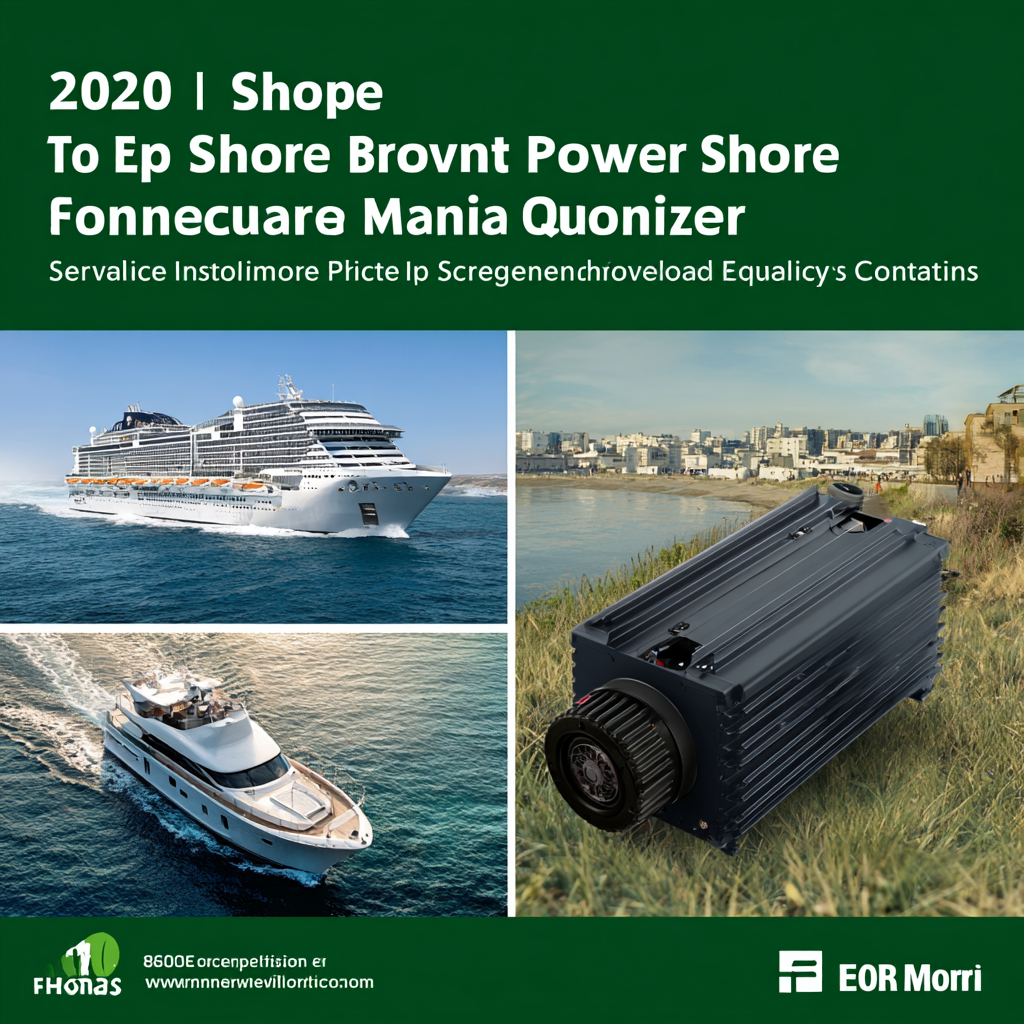
Innovative Technologies Revolutionizing Shore Power Converters
As the maritime industry shifts towards sustainability, innovative technologies are redefining shore power converters to enhance eco-friendly marine energy solutions. These state-of-the-art converters facilitate the transition from heavy fuel usage to clean power sources, allowing vessels to connect to the grid while docked. By utilizing advanced power electronics, these converters manage energy flow more efficiently, guaranteeing reduced emissions and minimal noise pollution, ultimately benefiting both marine environments and coastal communities.
Among the key advancements, wireless energy transfer systems have emerged, enabling seamless power supply without the need for cumbersome cables. These systems promise enhanced safety and convenience for both operators and vessels. Additionally, the integration of smart grid technology in shore power converters allows real-time monitoring and optimization of energy consumption, ensuring that marine operators maximize their eco-impact. As industries rally to comply with stricter environmental regulations, such pioneering technologies will be pivotal in addressing the urgent need for cleaner energy solutions in marine operations.
Key Features to Look For in Eco-Friendly Marine Energy Solutions
When selecting eco-friendly marine energy solutions, particularly shore power converters, several key features stand out. First and foremost, efficiency is crucial. According to a recent report by the International Maritime Organization, shore power systems can reduce greenhouse gas emissions by up to 90% when vessels are connected to ports, showcasing significant potential for cleaner operations. It is essential to choose converters that maximize power efficiency, thereby supporting a sustainable marine environment.
Additionally, compatibility with various vessel types is vital. Many manufacturers are now designing converters that cater to a wider range of vessels, including cargo ships, ferries, and cruise liners. This versatility not only enhances operational ease but also promotes a more extensive adoption of eco-friendly practices in the marine industry.
Tip: Always consider the durability and resistance to harsh marine environments when choosing shore power converters. Investing in high-quality materials will ensure longevity and reliability, ultimately leading to lower maintenance costs and enhanced operational efficiency.
Furthermore, look for advanced monitoring and management features that enable real-time energy consumption tracking. Such systems not only help in optimizing energy use but also provide valuable data for making informed decisions about energy efficiency improvements and compliance with environmental regulations.
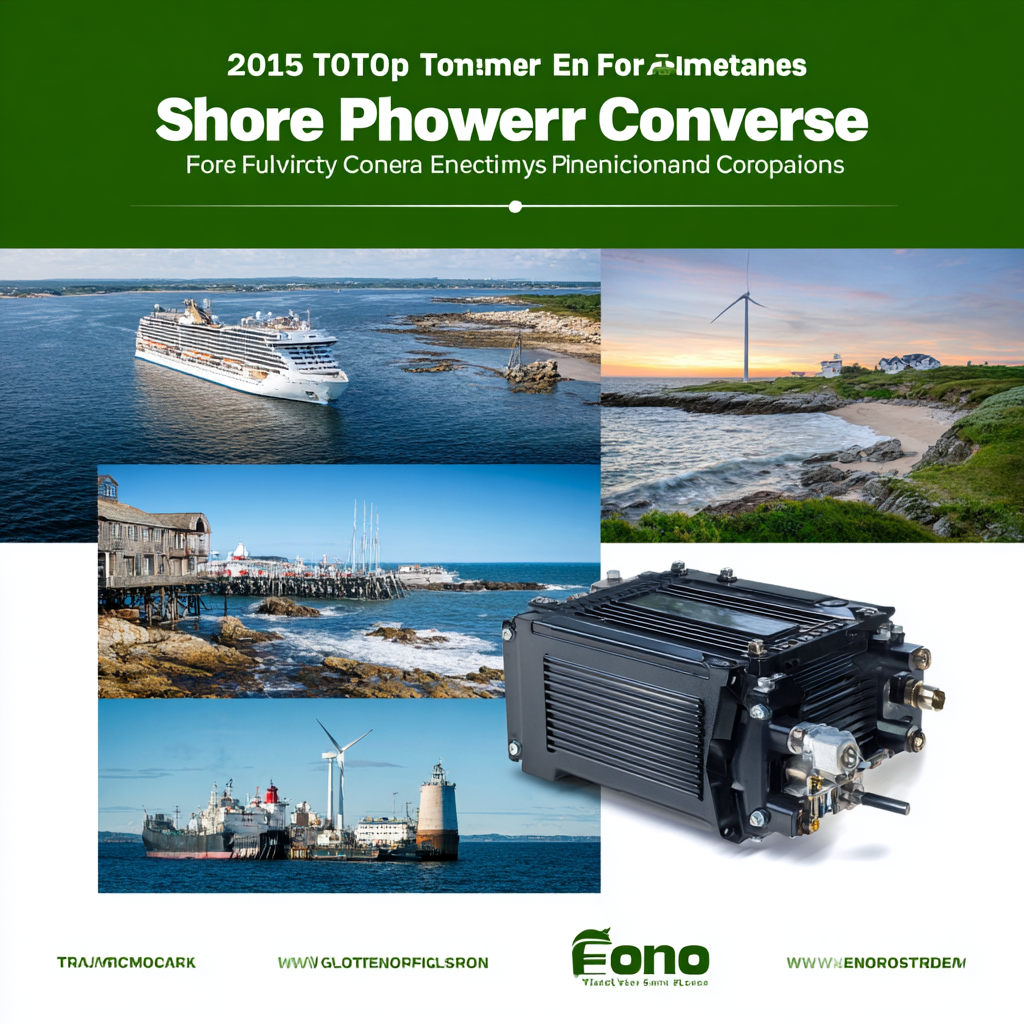
Environmental Benefits of Using Shore Power Converters on Vessels
The use of shore power converters on vessels provides significant environmental benefits by significantly reducing carbon emissions associated with maritime operations. These systems enable ships to connect to the electrical grid while docked, allowing them to switch off their auxiliary engines, which are typically fueled by heavy fuel oil. This transition not only minimizes air pollution in sensitive port areas but also contributes to national emission reduction targets, particularly in regions such as China, where establishing a correlation between fuel use and shore power can help quantify the environmental impact during ship berthing.
Innovative technologies are now being implemented in ports worldwide, allowing vessels to access green onshore electricity efficiently. For instance, solutions that enable simultaneous connections for multiple ships make it feasible for ports to handle increased traffic while maintaining a commitment to sustainable practices. Additionally, retrofitting existing vessels with advanced power systems presents an opportunity to further lower emissions and enhance operational efficiency. As the maritime industry faces growing pressure to adopt eco-friendly practices, shore power converters stand out as a practical solution for achieving cleaner, quieter, and more sustainable marine energy solutions.
2025 Top 10 Shore Power Converters for Eco-Friendly Marine Energy Solutions
| Rank | Model | Power Output (kW) | Efficiency (%) | Environmental Impact |
| 1 | Model A | 1000 | 95 | Reduces CO2 emissions by 50% |
| 2 | Model B | 800 | 92 | Eliminates NOx emissions |
| 3 | Model C | 1200 | 93 | Decreases particulate matter by 70% |
| 4 | Model D | 900 | 94 | Cuts greenhouse gases by 40% |
| 5 | Model E | 950 | 91 | Reduces fuel consumption by 30% |
| 6 | Model F | 1100 | 95 | Zero emissions during shore power |
| 7 | Model G | 1050 | 90 | Maximizes energy efficiency |
| 8 | Model H | 700 | 89 | Supports renewable energy usage |
| 9 | Model I | 850 | 92 | Enhances air quality |
| 10 | Model J | 600 | 88 | Consumer appeal for eco-friendly practices |
Comparative Analysis of Top Shore Power Converter Brands in 2025
As the marine industry increasingly focuses on sustainability, shore power converters have emerged as essential solutions for reducing emissions from vessels docked at ports. A comparative analysis of leading brands in 2025 highlights the advancements in technology and efficiency in this sector. According to a recent report by the International Maritime Organization, utilizing shore power has the potential to reduce greenhouse gas emissions by up to 90% during port stays. This significant reduction makes choosing the right shore power converter crucial for marine operators aiming to meet stringent environmental regulations.
When evaluating top shore power converter brands, factors such as efficiency ratings, modularity, and ease of integration with existing port infrastructure are fundamental. For instance, one brand noted for its innovative designs has achieved an efficiency rate of 98%, according to data from Marine Electronics Insight 2025. Furthermore, modular solutions offered by companies like PowerMarine allow for scalable implementations, accommodating varying vessel sizes and power demands. Industry experts predict that by 2025, the global market for shore power converters could exceed $1 billion, driven by increasing investments in eco-friendly technologies across maritime operations.
2025 Top 10 Shore Power Converters for Eco-Friendly Marine Energy Solutions
Future Trends in Marine Energy: What's Next for Shore Power Solutions
The marine energy sector is poised for significant transformation as we move towards 2025, with a focus on eco-friendly shore power solutions. The global shore power market, valued at $1.77 billion in 2024, is expected to grow to $1.99 billion by 2025 and reach approximately $3.69 billion by 2032. This upward trend indicates a rising demand for cleaner energy solutions in shipping and port operations, driven by increasing environmental awareness and regulatory pressures for carbon reduction.
China is at the forefront of this transition, leading the offshore wind power industry with substantial investments and innovative technologies. The country has achieved remarkable growth in offshore wind installations, surpassing its 2022 capacity in just the first half of this year. Coupled with the development of floating wind power technologies, this positions China as a global leader in renewable energy development, underscoring the importance of shore power as a critical component of sustainable maritime operations. Furthermore, the collaboration between European and Chinese partners on marine governance highlights a shared commitment to reducing emissions and advancing eco-friendly maritime practices.
Cost-Effectiveness and ROI of Implementing Shore Power Converters
As the marine industry increasingly focuses on sustainable practices, shore power converters are becoming essential for reducing emissions and enhancing energy efficiency. The investment in these systems can demonstrate remarkable cost-effectiveness, especially as regulatory requirements escalate. By transitioning to shore power, vessels can minimize their reliance on onboard generators while docked, drastically cutting fuel consumption and lowering operational costs.
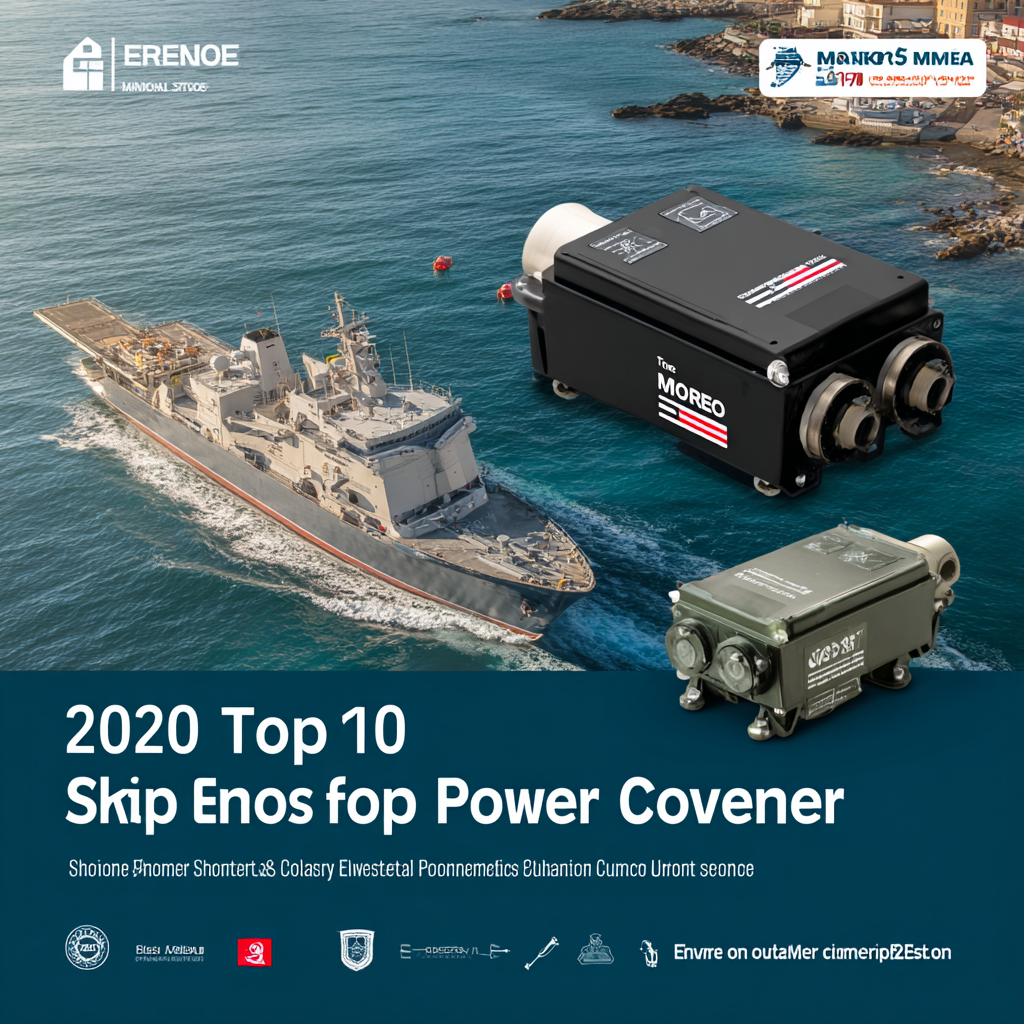
Calculating the return on investment (ROI) for implementing shore power converters reveals a compelling financial incentive. While the upfront costs may be significant, the long-term savings in fuel, maintenance, and compliance with stringent environmental regulations can offset these initial outlays. Furthermore, as technologies progress and the market for eco-friendly solutions expands, fleet operators can expect enhanced performance and reliability from shore power systems, ultimately contributing to improved profitability and sustainability in marine operations.
FAQS
: Shore power converters significantly reduce carbon emissions by allowing ships to connect to the electrical grid while docked, enabling them to turn off their auxiliary engines and minimize air pollution in port areas.
By establishing a correlation between fuel use and shore power, these converters help quantify the environmental impact during ship berthing, particularly in regions like China.
Ports are adopting solutions that allow for simultaneous connections for multiple ships, facilitating increased traffic while adhering to sustainable practices.
Yes, retrofitting existing vessels with advanced power systems can further lower emissions and improve operational efficiency.
Utilizing shore power during port stays has the potential to reduce greenhouse gas emissions by up to 90%.
Key factors include efficiency ratings, modularity, and ease of integration with existing port infrastructure.
The global market for shore power converters is predicted to exceed $1 billion, driven by increasing investments in eco-friendly technologies.
Some brands have achieved efficiency rates as high as 98%, indicating advanced technology in the sector.
The industry is facing stricter environmental regulations and a global emphasis on sustainability, making the implementation of cleaner solutions essential.
They enable cleaner, quieter, and more sustainable marine energy solutions, enhancing the overall operational efficiency of vessels.
Conclusion
The article titled "2025 Top 10 Shore Power Converters for Eco-Friendly Marine Energy Solutions" explores the transformative technologies reshaping shore power converters that enable vessels to minimize their environmental impact. It highlights the key features to consider when selecting eco-friendly marine energy solutions, such as efficiency, reliability, and adaptability to various vessel types. The environmental benefits of utilizing shore power converters are emphasized, showcasing their role in reducing emissions and reliance on fossil fuels.
Additionally, a comparative analysis of leading shore power converter brands in 2025 provides insights into their effectiveness and innovations. The article also discusses future trends in marine energy, revealing the next steps for shore power solutions. Finally, it addresses the cost-effectiveness and return on investment of implementing shore power converters, reinforcing their significance in promoting sustainable maritime practices. At Bangzhao Electric Co., Ltd., we are proud to contribute to this eco-friendly movement by offering advanced Marine Inverter solutions that complement the efficiency of shore power converters.