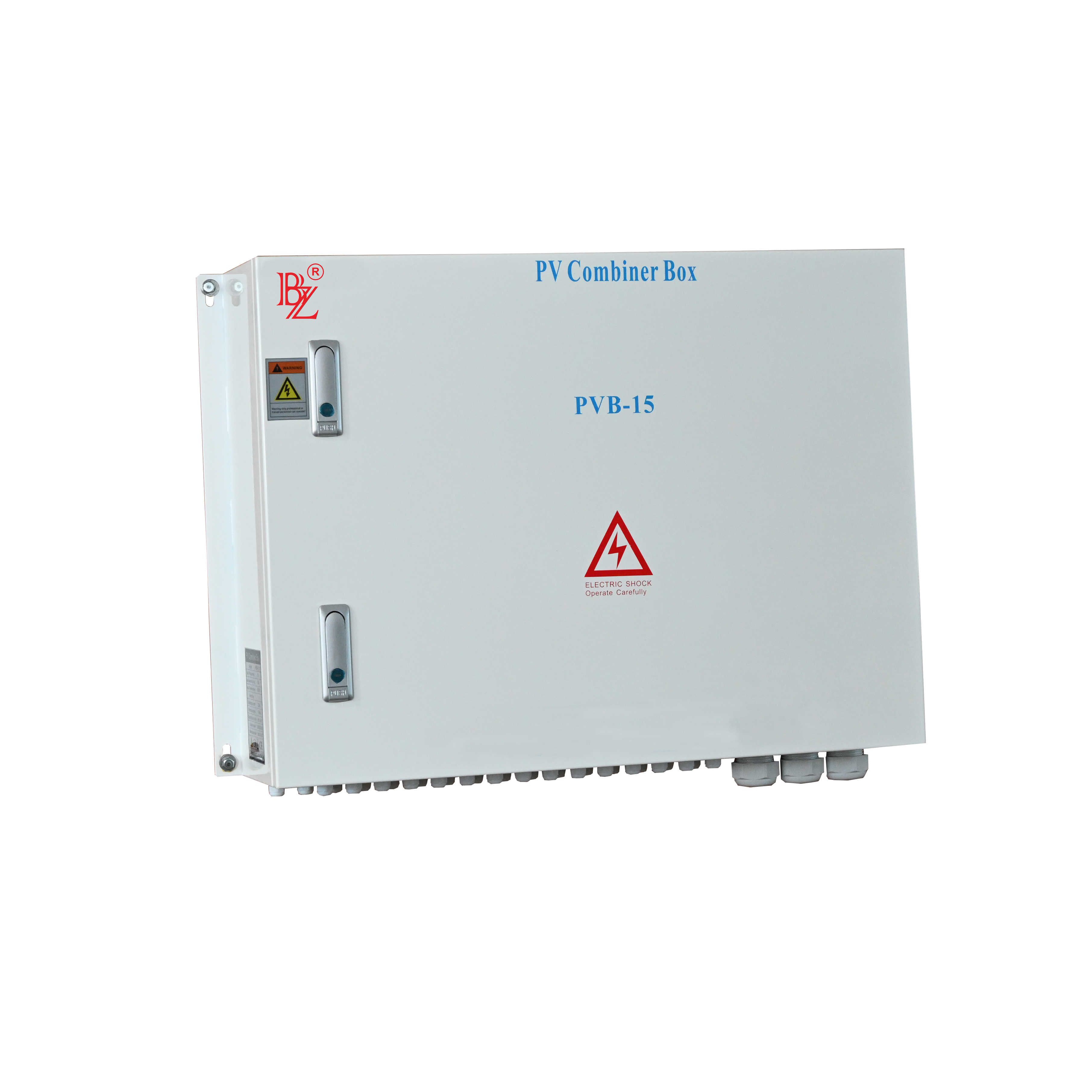
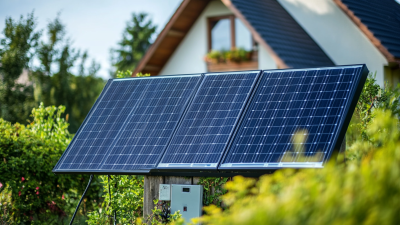
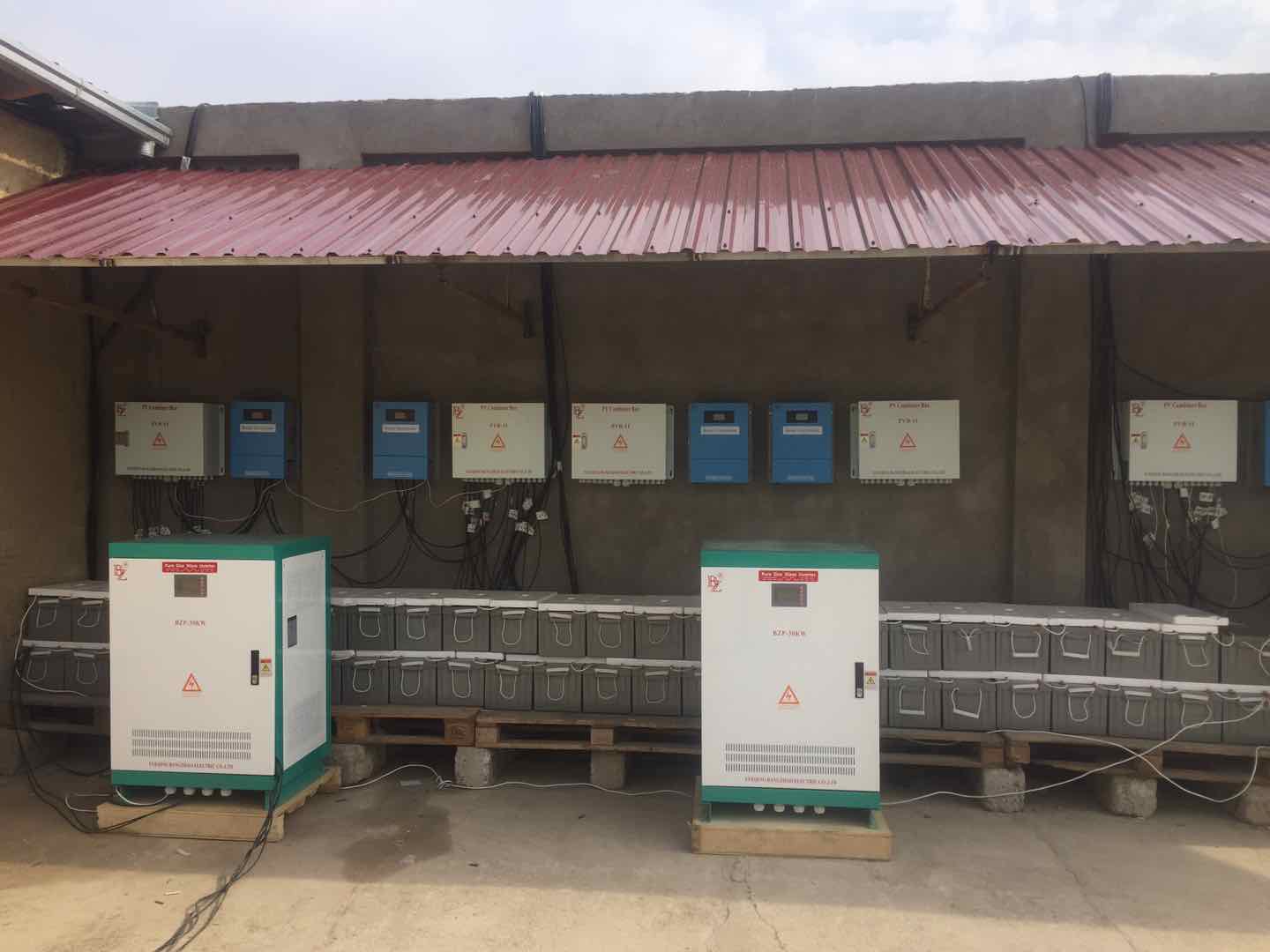
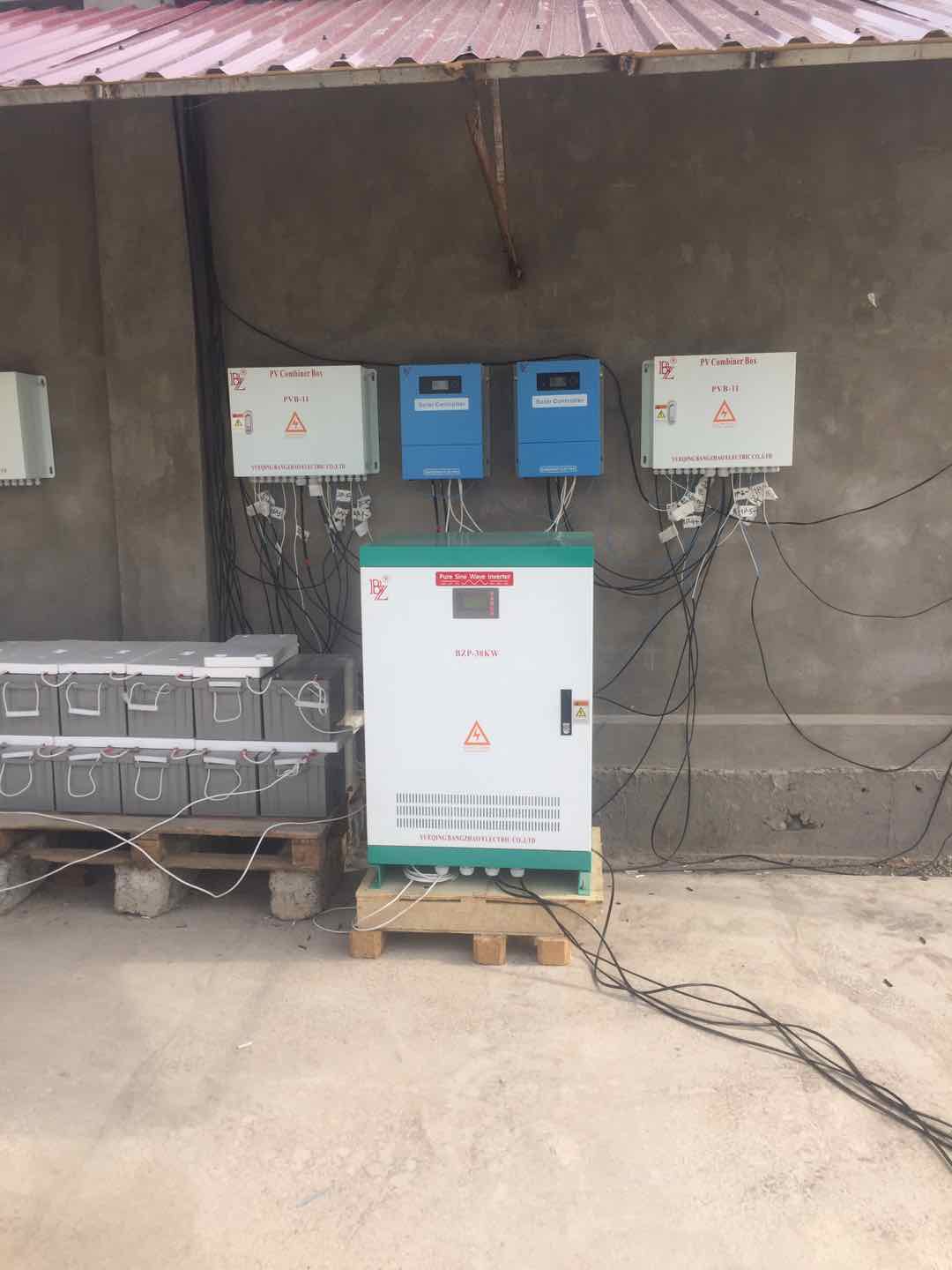
In the fast-growing world of solar energy, you really can’t overlook how important the Pv Combiner Box is. With the global solar market expected to hit over over $250 billion by 2025, having smart energy management solutions is more crucial than ever if you want your photovoltaic systems to run smoothly and efficiently. A good quality Pv Combiner Box makes a big difference—it simplifies connecting multiple solar panels, boosts safety, and keeps everything running reliably. Companies like Bangzhao Electric Co., Ltd., with more than ten years of experience in advanced lithium battery storage, bidirectional power supplies, and Pure Sine Wave Inverters, are in a great spot to meet the rising demand for solid solar energy management gear. When you add features like overcurrent protection and modular design, the bestPv Combiner Box can really enhance your solar setup’s performance and help cut down on risks. It’s all about setting the bar higher for reliability and efficiency in this rapidly expanding industry.
Essential Feature #1: Understanding Voltage Ratings and Their Impact on Solar System Efficiency
When you're picking out a PV combiner box for your solar setup, it’s super important to get a good grasp on voltage ratings. These ratings tell you the maximum voltage that a component can safely handle—skimp on that, and you might run into trouble. Honestly, choosing the right one can make a real difference in how well your system performs. I recently read a report from the National Renewable Energy Laboratory (NREL), and it mentioned that running your system at higher voltages actually reduces the current, which helps cut down on wiring losses. That’s a big plus, because it means your system can be more efficient overall.
Plus, the voltage rating doesn’t just affect performance—it also impacts how you design and scale your whole solar setup. For example, the Solar Energy Industries Association (SEIA) talks about how going with higher voltage systems—think 1000V or more—means you need fewer solar panel strings. That turns into easier installs and can even save you some cash. Bottom line: if you pick the right voltage ratings from the start, you’re not only making sure everything’s safe and up to code, but you’re also squeezing out as much energy as possible. That’s what really helps you get the most out of your solar energy system and keeps things running smoothly.
7 Essential Features of the Best Pv Combiner Box for Efficient Solar Energy Management
| Feature | Description | Impact on Solar System Efficiency |
| Voltage Ratings | Understanding the maximum and minimum voltage levels that the system can handle. | Ensures optimal performance and prevents system failures. |
| Temperature Coefficient | Indicates how much efficiency drops as temperature rises. | Affects overall energy output and longevity of components. |
| IP Rating | Ingress Protection rating against dust and water. | Ensures reliable operation in various environmental conditions. |
| Fusing Protection | Integrates fuses to protect against overcurrent situations. | Prevents damage to solar panels and other components. |
| Ease of Installation | Design that allows for quick and efficient setup. | Reduces labor costs and installation time. |
| Safety Standards Compliance | Compliance with relevant safety regulations and standards. | Ensures system reliability and user safety. |
| Monitoring Capabilities | Integration of monitoring features for real-time system performance. | Allows for quick detection of issues and optimizes performance. |
Essential Feature #2: The Role of Fuses and Circuit Breakers in Safety and Performance
When you're dealing with solar energy systems, you really can’t overlook how important fuses and circuit breakers are in a PV combiner box. These little components play a big role in keeping everything safe and running smoothly. Think of fuses as the system's first line of defense—they’ll break the connection if there’s an overload, stopping any damage to your inverter or solar panels. It’s like having a safety net that keeps the whole setup from going kaboom and helps things last longer.
Now, circuit breakers are a bit different—they’re user-friendly because you can reset them manually after they trip. They’re designed to sense any weird electrical issues and shut things down automatically if something's off. This helps prevent fires and electrical hazards, which, let’s be honest, nobody wants. When you’ve got both fuses and circuit breakers working together in your PV combiner box, you basically get a balanced system—maximizing safety and performance all at once. It makes managing your solar energy way more reliable and gives you some peace of mind. Whether you’re setting up a simple home system or a bigger commercial installation, having that dual protection really is key for safe and efficient energy production.
7 Essential Features of the Best Pv Combiner Box for Efficient Solar Energy Management
In solar energy management, the safety and performance of PV systems highly depend on the presence of fuses and circuit breakers. This chart showcases the importance level of each component, with circuit breakers rated higher due to their critical role in protecting against overloads and ensuring system integrity.
Essential Feature #3: Importance of IP Ratings for Weather Resistance and Longevity
When you're picking out a PV combiner box for your solar setup, one thing people often forget about is the IP rating (that’s Ingress Protection, by the way). Basically, it tells you how well the box can handle stuff like dust and rain. The IEC standards show that a higher IP rating means better protection, which is pretty important if you want your equipment to last and work reliably. So, if your solar system's out in the open, it’s really a good idea to go for a combiner box with at least an IP66 rating — meaning it’s dust-tight and can handle heavy rain without breaking a sweat.
A quick tip: make sure you check the IP rating before you buy, and think about the environment where your solar setup’s gonna be. If you’re somewhere that gets hammered by dust storms or heavy rains, you’ll want something with a higher IP rating, no doubt. Also, doing regular inspections and some routine maintenance can catch any potential issues early and keep your system running smoothly.
Honestly, reports show that solar systems with the right-rated parts can boost energy production by up to 10% over time. Plus, having gear that can weather the weather means your equipment will last longer, saving you money on replacements down the line. When you’re comparing options, don’t just focus on the performance stats — pay close attention to protection features like the IP rating, because they really make a difference when Mother Nature throws her worst at your system.
Essential Feature #4: How to Evaluate Busbar Material for Improved Conduction Efficiency
When you're looking at the busbar material for a PV combiner box, it's really important to pay attention to conduction efficiency because that directly affects how well your solar system performs. Usually, copper and aluminum are the main choices, each with their own pros and cons. Copper is kind of the go-to since it's got awesome conductivity, meaning less energy gets lost along the way. The catch? It tends to be more expensive, which can be a dealbreaker for some setups. Aluminum, on the other hand, isn’t as conductive, but it’s lightweight and easier on the wallet, making it a popular pick especially for bigger systems where saving on weight matters a lot.
Also, don’t forget to think about the environment, especially if you're somewhere coastal where salty air can speed up corrosion. Both copper and aluminum can last longer if you add the right coatings or treatments, but that’ll usually come at an extra cost — so you’ll wanna weigh those costs against the benefits in energy savings. In the end, choosing the right busbar material is really about finding that sweet spot between good conductivity, affordability, and making sure it can handle the environmental conditions. All these factors are key to keeping your solar setup running smoothly and efficiently.
Essential Feature #5: Necessity of Proper Grounding Techniques in Combiner Box Design
Grounding techniques are super important when designing a PV combiner box. They’re a key safety measure and help keep things running smoothly in solar energy setups. Basically, a combiner box gathers the output from multiple solar strings, but if you don’t have proper grounding, things can get risky—like electrical surges that could damage equipment or even be dangerous for anyone nearby. Putting in solid grounding methods ensures that any excess energy gets safely directed away, protecting the whole system from potential problems.
On top of that, good grounding actually helps your solar system last longer and work more reliably. It reduces electrical noise and shields everything from lightning strikes, so your solar components can do their thing at their best. Not only does this boost energy production, but it also saves you a fair bit on maintenance costs in the long run. As solar tech keeps advancing, investing in smarter grounding techniques becomes pretty much essential—both for getting the most out of your system and keeping everyone safe.
Essential Feature #6: Integration of Smart Monitoring Systems for Real-Time Performance Tracking
Lately, integrating smart monitoring systems into PV combiner boxes has become pretty much essential if we want to get the most out of solar energy. These systems let operators keep an eye on performance in real-time—so you can see how much energy is being generated, spot any issues early on, and make smarter decisions on the fly. It’s no surprise that the global market for driver monitoring systems (DMS) is expected to hit around $14.4 billion by 2033—this really shows how everyone’s leaning toward smarter, more efficient tech, not just in transportation but also in renewables.
As more folks look for smarter, more efficient solutions, AI-driven tech is really making waves. Take recent advancements in AI and computer vision—companies like Adbud Tech are showing just how powerful real-time analytics can be, not just for traffic and pedestrian monitoring but also for gathering useful insights from audiences or users. These kinds of innovations give us a peek into a future where smart monitoring in solar energy systems won’t just improve how well they work but will also help boost sustainability and reliability overall. Oh, and by the way, the deep well pump market is also on the rise—forecasted to grow from about $3.94 billion in 2025 to roughly $5.39 billion by 2033. It’s clear that across different industries, the push for integrated tech solutions is gaining serious momentum.
FAQS
: Fuses protect the circuitry by breaking the connection when an overload occurs, preventing potential damage to both the inverter and the solar panels.
Circuit breakers provide a manual reset option and are designed to recognize abnormalities in electrical flow, shutting down the system when a fault is detected, while fuses need to be replaced after they blow.
The busbar material affects conduction efficiency, which directly impacts overall solar energy performance.
Copper has superior conductivity, which minimizes energy loss during transmission, making it the preferred choice for many solar installations.
Aluminum is lightweight and more cost-effective, making it suitable for larger systems where weight savings are essential, despite its lower conductivity compared to copper.
Environmental factors, such as saline exposure in coastal regions, can accelerate the deterioration of busbar materials, so corrosion resistance is crucial.
Smart monitoring systems enable real-time performance tracking, allowing operators to monitor energy production, identify inefficiencies, and make informed operational decisions.
AI-driven solutions are setting new standards by providing real-time analytics that enhance operational efficiency and contribute to the sustainability and reliability of solar energy systems.
Coatings and treatments can enhance the longevity of both copper and aluminum busbars, but it's important to weigh the costs against potential savings in energy efficiency.
The projected growth of the DMS market highlights the increasing demand for smart and efficient technologies, including in the renewable energy sector like solar energy management.