As the world shifts more and more toward renewable energy, especially solar power, we're seeing some pretty exciting growth in the industry. Basically, if projections from the International Energy Agency are right, solar panels could make up as much as 40% of the world's electricity by 2035. That’s a huge deal, and it means choosing quality components is more important than ever to make sure your system works well and lasts a long time. One thing that doesn’t always get enough attention is the kind of Photovoltaic (PV) cables you use. These cables are kinda the unsung heroes—they transfer energy from your solar panels to the inverter, and then to the grid. If they’re not good quality, your whole setup might not perform as efficiently or last as long as it should.
With the surge in solar energy adoption, manufacturers are really stepping up their game, creating all kinds of new cable options. But not all PV cables are alike—some are better suited for certain environments and conditions. According to a report by Grand View Research, as more folks jump on the solar bandwagon, the market for these cables is expected to grow even more. So, understanding what to look for—like temperature tolerance, UV resistance, and what the conductors are made of—has never been more important for installers and system designers alike. This guide is here to help you pick the right PV cables for your solar setup, so you get something that’s durable, safe, and keeps working efficiently over the long haul.
Understanding Photovoltaic Cables: An Overview of Types and Specifications
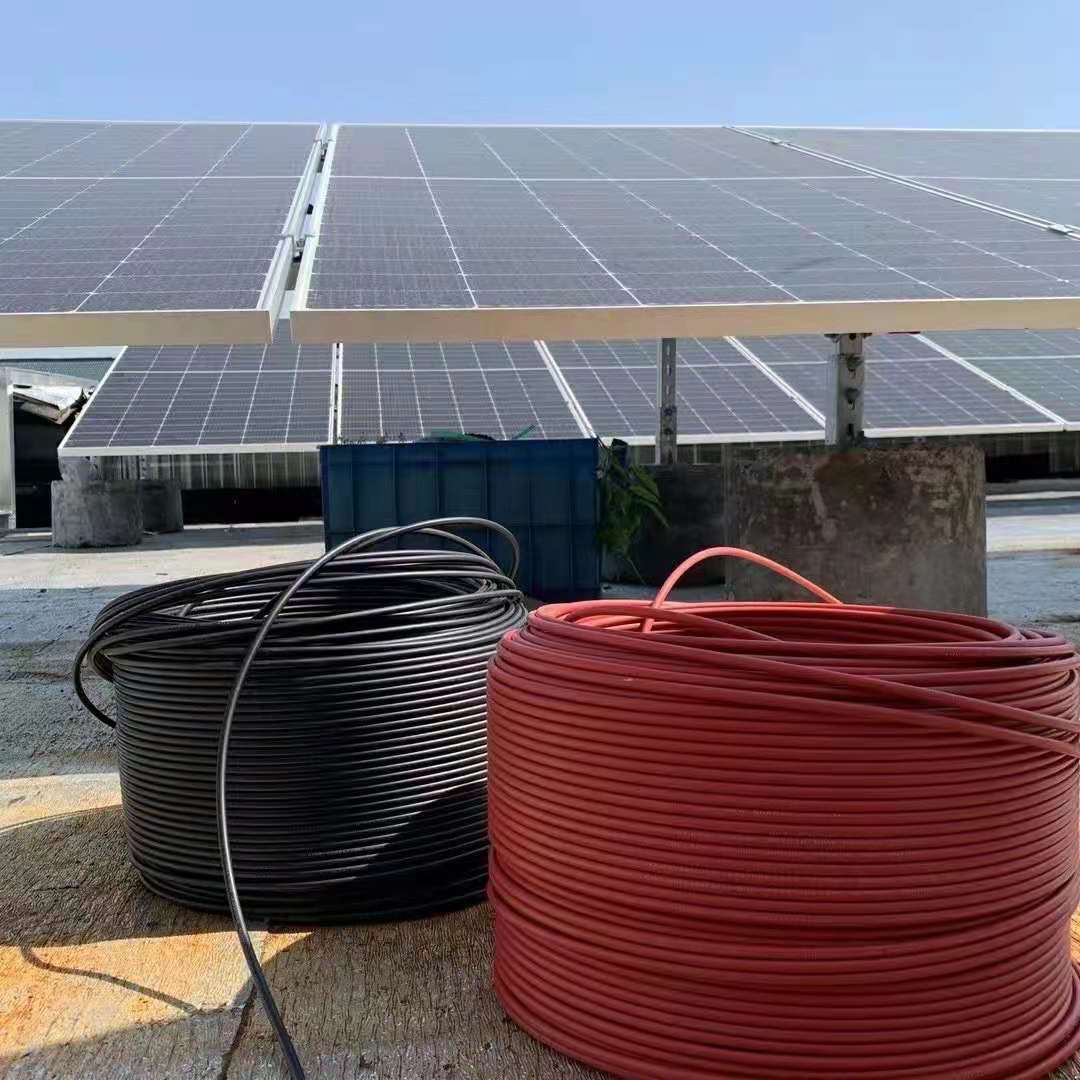
Photovoltaic Cables are essential components of any solar system, designed specifically to handle the demanding conditions associated with solar energy generation. These cables come in various types, primarily distinguished by their insulation material, conductor size, and temperature rating. The most common types include single-core and multi-core cables, each serving unique applications within solar installations.
Single-core cables are typically used for direct connections, while multi-core cables provide flexibility in interconnection among different system components.
When selecting photovoltaic cables, it is crucial to consider their specifications to ensure optimal performance and safety. For instance, cables should have appropriate UV resistance, as they need to endure prolonged exposure to sunlight without deteriorating. Additionally, the temperature rating is vital; cables should be able to operate efficiently at temperatures ranging from -40°C to 90°C, depending on the installation environment.
Moreover, the conductor size should be adequately calculated to minimize energy losses and accommodate the current requirements of the system. Understanding these types and specifications is key to choosing the right photovoltaic cables, ultimately enhancing the efficiency and lifespan of solar energy systems.
Key Factors to Consider When Choosing Photovoltaic Cables
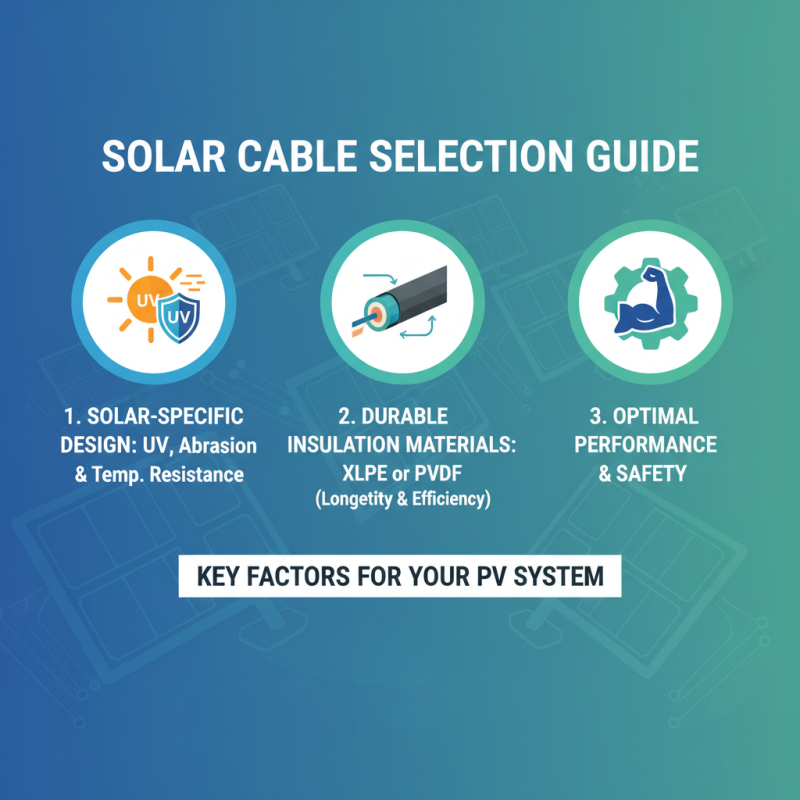
When selecting photovoltaic cables for your solar system, several key factors must be considered to ensure optimal performance and safety. First and foremost, look for cables that are specifically designed for solar applications. These cables should have high resistance to UV radiation, abrasion, and temperature fluctuations to withstand outdoor conditions. Additionally, the cable’s insulation material plays a crucial role in determining its longevity; materials such as XXX or XXX are often preferred for their durability and efficiency.
Another important factor is the cable's current and voltage rating. Ensure that the cables can handle the maximum voltage and current that your solar system is expected to produce. This will help prevent any potential overload issues that could lead to system failures or hazards. Additionally, the gauge of the cable impacts the overall efficiency of energy transmission; choose a gauge that minimizes resistive losses while still being manageable for your installation needs.
Tips: When making your selection, always consult a professional to determine the appropriate gauge and rating based on your specific solar system configuration. Also, consider the environmental conditions where the cables will be used; for example, if the installation is in a particularly harsh climate, opt for cables that offer enhanced weather resistance. Finally, check for certifications that ensure the cables meet industry standards for safety and performance.
Evaluating Cable Materials: Copper vs. Aluminum in Solar Applications
When selecting cables for your solar system, understanding the material properties is crucial, particularly when comparing copper and aluminum. Copper cables are renowned for their excellent conductivity, which allows for higher efficiency in energy transmission. They have a lower resistivity than aluminum, meaning that less energy is lost as heat during operation. Additionally, copper is more durable and resistant to corrosion, making it a reliable choice for long-term installations in varying environmental conditions.
On the other hand, aluminum cables offer several advantages that make them a compelling option as well. First, they are significantly lighter than copper, which can be beneficial in applications where weight is a concern, such as mounting on rooftops. Aluminum is also generally more cost-effective, making it an attractive choice for larger installations or projects with budget constraints. However, it does require careful handling and installation due to its higher susceptibility to oxidation and lower mechanical strength compared to copper. When choosing between these two materials for photovoltaic cables, it is essential to consider factors such as installation environment, budget, and desired longevity of the solar system.
2025 How to Choose the Right Photovoltaic Cables for Your Solar System
| Cable Type | Material | Conductivity (S/m) | Weight (kg/km) | Cost per Meter (USD) | Temperature Rating (°C) | Lifespan (Years) |
| PV1-F | Copper | 58.0 | 230 | 1.20 | 90 | 25 |
| PV1-F | Aluminum | 37.0 | 330 | 0.90 | 90 | 20 |
| PV Wire | Copper | 58.0 | 250 | 1.50 | 90 | 30 |
| PV Wire | Aluminum | 37.0 | 370 | 1.00 | 90 | 25 |
Assessing Voltage Ratings and Temperature Ranges for Photovoltaic Cables
When choosing the right photovoltaic cables for your solar system, assessing voltage ratings and temperature ranges is crucial. Photovoltaic cables are essential components that connect solar panels to inverters and other electrical systems, and they must be capable of handling the electrical conditions present in solar installations. Ensuring that the cables are rated for the voltage produced by the panels is the first step. Each solar array has a specific voltage output depending on its configuration, and using cables rated below this voltage can result in insulation breakdown and potential hazards.
Temperature ranges also play a significant role in selecting photovoltaic cables. Solar installations can experience extreme conditions, from high temperatures during summer to low temperatures in winter. Cables that are not rated for these temperature extremes may suffer from reduced performance or even failure over time. It is essential to choose cables that have a temperature rating suitable for the environment in which the solar system will be installed. By carefully considering both voltage ratings and temperature ranges, one can ensure the reliability and longevity of a solar power system, ultimately leading to better performance and efficiency.
The Importance of UV Resistance and Insulation in Photovoltaic Cables
When selecting photovoltaic (PV) cables for solar systems, two critical factors to consider are UV resistance and insulation quality. According to the National Renewable Energy Laboratory (NREL), the average lifespan of solar panels can exceed 25 years, but the longevity of the cables used in these systems is equally important. UV rays can degrade cable insulation, leading to premature failures. Research indicates that cables lacking sufficient UV resistance could see their performance decline by as much as 10% over time, emphasizing the need for durable materials that can withstand harsh environmental conditions.
Furthermore, the insulation of photovoltaic cables plays a vital role in ensuring safety and efficiency. Reports from the International Electrotechnical Commission (IEC) suggest that high-quality insulation significantly reduces the risk of electrical faults and fire hazards. For instance, using cables with proper insulation materials can enhance heat resistance, allowing cables to perform optimally in high-temperature scenarios, common in many solar installations. Choosing cables that meet rigorous international standards is essential for maintaining the integrity of the solar system, ensuring not just functionality but also safety over the long term. Thus, investing in cables with robust UV resistance and superior insulation is crucial for any solar energy project aiming for longevity and reliability.
2025 How to Choose the Right Photovoltaic Cables for Your Solar System
This chart illustrates important performance metrics for choosing the right photovoltaic cables for solar systems. Key factors include UV resistance, insulation thickness, temperature range, and expected lifespan.
Selecting the Right Cable Length and Compatibility for Your System
When selecting photovoltaic cables for your solar system, it's crucial to consider the appropriate cable length and compatibility with your installation. Choosing the right length ensures that there is enough slack for installation adjustments while minimizing power loss due to resistance over long runs. A shorter length is preferred for efficiency, but take care not to make it too short, as this can complicate installation and maintenance.
Tips: Measure the distance from your solar panels to the inverter, and then add extra length to accommodate any turns or obstacles. It's often wise to consult with your installation team about optimal routing to get a precise estimate of cable lengths needed.
Compatibility is another critical factor. Ensure that the cables you select are designed to work with the specific components of your solar system. This includes verifying that the wire gauge meets the system's current requirements and that the insulation is rated for the environment it will be exposed to, such as outdoor conditions or high temperatures.
Tips: Use cables that comply with local electrical codes and standards. Also, consider using UV-resistant and temperature-rated cables to withstand harsh weather conditions, ensuring long-term reliability and performance of your solar system.
Installation Best Practices for Photovoltaic Cables in Solar Energy Systems
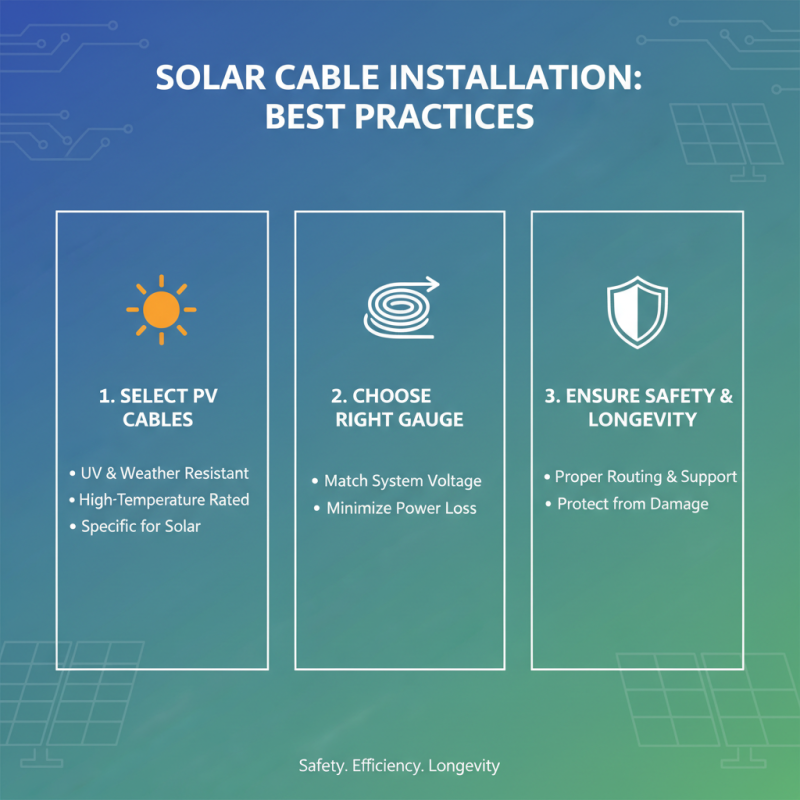
When installing photovoltaic cables in solar energy systems, adherence to best practices is crucial for ensuring safety, efficiency, and longevity. First, it's essential to select cables that are specifically designed for photovoltaic applications. These cables need to be UV-resistant, weatherproof, and capable of withstanding the high temperatures generated by the solar panels. It’s also important to choose the right gauge of cable, which should match the system's voltage and current requirements to minimize power loss.
When laying out the cables, be mindful of proper routing and securing methods to prevent wear and tear. Avoid sharp bends and ensure that cables are not in contact with any surfaces that may create abrasion. Utilizing cable trays or conduits can help keep cables organized and protected. Additionally, maintaining sufficient distance from potential heat sources and ensuring proper ventilation can significantly enhance the lifespan of the cables.
**Tips:**
- Always use connectors that are compatible with your cables to maintain a secure and reliable electrical connection.
- Regularly inspect your system for signs of wear, corrosion, or damage to the cables, which can lead to performance issues.
Conclusion
In "2025 How to Choose the Right Photovoltaic Cables for Your Solar System," the article provides a comprehensive guide to understanding the various types and specifications of photovoltaic cables. It emphasizes the key factors to consider, such as cable materials—copper versus aluminum—and the importance of assessing voltage ratings and temperature ranges to ensure optimal performance in solar applications.
Additionally, the article highlights the significance of UV resistance and insulation in maintaining cable durability and efficiency. Recommendations for selecting the appropriate cable length and ensuring compatibility with solar systems are also discussed, alongside installation best practices that can enhance system safety and longevity. Overall, understanding these aspects is crucial for making informed decisions when choosing photovoltaic cables for solar energy installations.