As more and more folks start to really care about getting cleaner, renewable energy, it’s no surprise that tech like the Solar Pump Inverter is gaining a lot of attention. I mean, the International Energy Agency (IEA) even reported that solar energy production jumped by 22% in 2022 alone—pretty impressive, right? It just goes to show how people and companies are leaning more towards eco-friendly solutions. A lot of farmers and businesses are now switching over to solar-powered systems for irrigation and water management, which is pretty cool.
These Solar Pump Inverters are great because they help your pumps run smoothly and reliably while slashing electricity bills. In fact, some recent studies suggest that using these inverters can cut energy costs by up to 80% compared to older, traditional setups—now that's a huge saving! But, of course, it’s not all sunshine and rainbows. Not every installation will perform perfectly right off the bat. Things like panel placement and the local climate play a big role in how well these systems actually work.
The tech behind Solar Pump Inverters is pretty flexible, allowing for optimization depending on different pumping needs. Still, it’s important to think about your specific situation and site conditions before jumping in. Taking a tailored approach usually gets the best results. And, honestly, working with experienced folks—like those at SMA Solar Technology AG—can make all the difference in making sure everything runs smoothly. Partnering up with experts really helps cut through the confusion and gets you set up for success in your solar journey.

Benefits of Solar Pump Inverters for Sustainable Energy Solutions
Solar pump inverters are becoming essential for sustainable energy solutions. They transform solar energy into usable power for pumps. This helps reduce reliance on fossil fuels and lowers energy costs. Using renewable energy improves our environmental footprint. A Solar Oil Pump Inverter can drive effective irrigation systems and industrial applications.
Opting for a solar pump inverter offers various advantages. They are efficient, leading to long-term savings. Maintenance costs are generally low, which makes them attractive for many users. Additionally, they operate quietly, contributing to a less noisy environment.
Choosing the right system may require careful planning. Assess your energy needs first.
Tips: Consider the size of your solar panels and pumps. Ensure compatibility for optimal performance. Look for products that offer warranty and support. Investing in a quality Solar Oil Pump Inverter can lead to satisfaction in the long run. Jot down your expected usage to make informed decisions.
Overview of Solar Pump Inverter Technology and Operation Principles
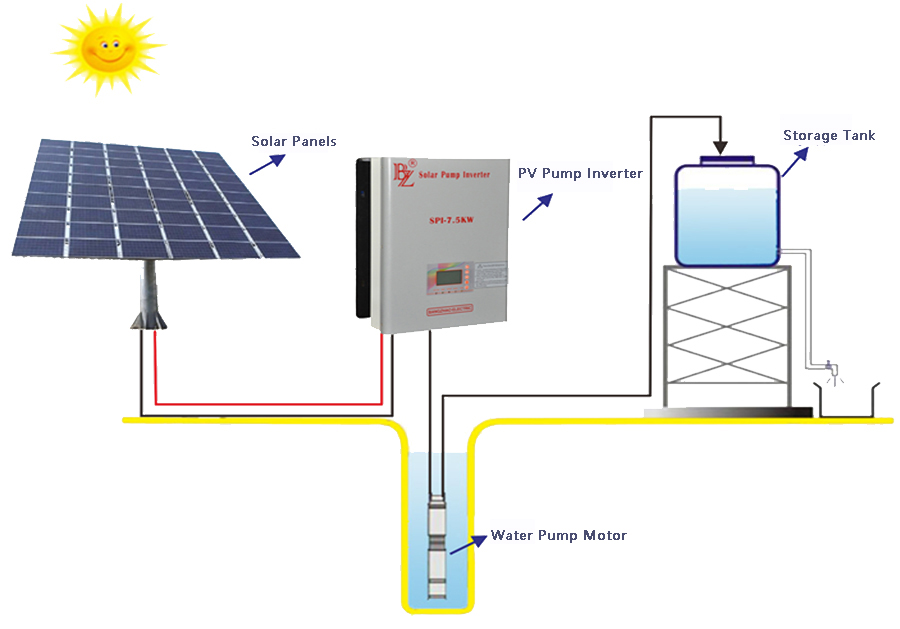
Solar pump inverters play a crucial role in converting solar energy into usable power for water pumping systems. These devices efficiently transform direct current (DC) produced by solar panels into alternating current (AC). This conversion is essential for running AC motors, which are common in agricultural and residential settings. Solar pump inverters typically come with advanced features, including maximum power point tracking (MPPT) technology. This maximizes the energy harvested from the solar panels, ensuring the system operates at peak efficiency.
Understanding the operation principles of solar pump inverters can aid in selecting the right system. Inverters regulate voltage and current to maintain stable pump performance. They must be sized correctly to match the pump’s requirements. Even small mismatches can lead to reduced efficiency or even damage. Moreover, these devices often include integrated protection features, safeguarding against over-voltage, over-temperature, and faults. Yet, users must regularly review the system’s performance. Regular checks can identify inefficiencies and prolong the lifespan of the inverter.
While solar pump inverters offer numerous benefits, they also require careful consideration. Installation complexity can vary significantly. Users need to understand local regulations. Furthermore, maintenance intervals should not be overlooked. Feedback from actual users is vital. It helps new purchasers make informed decisions.
Comparative Analysis: Solar Pump Inverters vs. Traditional Electric Pumps
When comparing solar pump inverters to traditional electric pumps, the differences are striking. Solar pump inverters harness renewable energy, converting sunlight into electricity. This method significantly reduces operational costs. Reports estimate that solar pumping systems can cut energy costs by up to 80% over their lifespan. In contrast, traditional pumps rely on grid electricity, exposing users to fluctuating energy prices.
Additionally, solar pump inverters offer independence from local power infrastructure. They allow users in remote areas to access water without expensive grid connections. A study conducted by the International Renewable Energy Agency shows that solar pump installations are increasing by more than 25% annually. This growth reflects a shift toward sustainable practices. Yet, not all users may realize the initial investment can be substantial. Payback periods can vary, often requiring several years before realizing cost savings.
Installation and maintenance are other critical factors. Solar systems need regular inspections to maintain efficiency. Traditional systems can be less demanding but often require more frequent repairs. This discrepancy can lead to unforeseen long-term costs. Users should weigh these factors carefully, as both systems have their merits and challenges.
Cost-Effectiveness of Solar Pump Inverters: Initial Investment vs. Savings
Investing in a solar pump inverter is a practical decision for energy needs. The initial investment can seem high. However, the long-term savings can be substantial. Many users notice a notable reduction in their electricity costs. Over time, these savings may surpass the upfront cost. This creates a positive impact on the overall operating budget.
Solar Submersible Pump Inverters are designed to convert solar energy efficiently. This reduces reliance on traditional power sources. The need for battery storage can be minimized. Many systems can operate directly from sunlight. While the technology is generally reliable, it still requires careful planning. Selecting the right size and type is crucial. Users must evaluate their specific needs and local conditions.
There can be hidden costs, such as installation and maintenance. Investing in quality components can mitigate these issues. It’s important to research and consult experts. Understand the local climate and potential sunlight hours. This awareness can enhance the effectiveness of the solar system. With thoughtful considerations, solar pump inverters can be a valuable asset.
Cost-Effectiveness of Solar Pump Inverters: Initial Investment vs. Savings
| Dimension | Initial Investment ($) | Annual Savings ($) | Payback Period (Years) |
| Residential Solar Pump System | 3,500 | 600 | 5.83 |
| Commercial Solar Pump System | 10,000 | 2,000 | 5.00 |
| Irrigation Solar Pump System | 7,500 | 1,400 | 5.36 |
| Industrial Solar Pump System | 20,000 | 4,500 | 4.44 |
| Agricultural Solar Pump System | 15,000 | 3,200 | 4.69 |
Industry Statistics on Energy Efficiency with Solar Pump Inverters
Solar pump inverters have become crucial for improving energy efficiency in various industries. According to recent industry reports, solar pump systems can enhance energy efficiency by up to 40% compared to traditional pumps. This significant boost results from their ability to harness solar energy, allowing projects to lower their reliance on grid electricity.
One key statistic highlights that installations of solar pump inverters lead to a reduction in greenhouse gas emissions by approximately 30%. This statistic indicates a growing trend towards sustainable practices. Furthermore, many regions report a decrease in operational costs by as much as 20% after adopting solar pump technologies. This transition supports both economic savings and environmental goals.
Tips:
Consider investing in solar pump inverters if your area receives abundant sunlight. Also, evaluate the long-term savings versus initial costs before making a decision. Regular maintenance can further enhance efficiency. Engaging with local energy experts can provide tailored solutions to meet specific energy needs.
Environmental Impact: Reducing Carbon Footprint with Solar Technology
The adoption of solar technology is a game changer for our environment. By using a Solar Water Pump Inverter, one can dramatically reduce their carbon footprint. This technology harnesses the sun's power, converting it into energy for water pumping systems. By making this shift, individuals can contribute to a cleaner planet.
Implementing solar-powered systems offers practical benefits. Consider solar energy as a renewable resource; it is abundant and sustainable. Using a Solar Water Pump Inverter not only cuts down ongreenhouse gas emissions but also reduces dependency on fossil fuels. This decision helps decrease air pollution.
Tips: Choose quality equipment for efficiency. Regular maintenance maximizes performance and energy savings. Don’t overlook local incentives; they can lower setup costs. Transitioning to solar energy is a step toward a more sustainable future. The switch might feel daunting, but the long-term benefits for your energy needs and the environment are immense. Embrace the change today!
Future Trends in Solar Pump Inverters and Market Growth Projections
The solar pump inverter market is poised for significant growth. A recent report from Grand View Research projects a compound annual growth rate (CAGR) of 15.1% from 2023 to 2030. This growth is primarily driven by increased demand for renewable energy solutions in agricultural practices. Farmers are increasingly turning to technology, seeking efficient alternatives to fuel-powered pumps.
Technological advancements are shaping the future of solar pump inverters. Improved efficiency in solar MPPT pump inverters is essential. These inverters optimize energy usage, allowing pumps to operate effectively even on cloudy days. The market is seeing innovations that enable remote monitoring and control, reflecting a shift towards smarter agricultural practices. However, the high initial investment remains a barrier for many small-scale farmers.
Market dynamics are also evolving. Increasing awareness of sustainability plays a crucial role. Countries are setting ambitious targets for renewable energy adoption. This creates an environment where solar solutions, including solar pump inverters, can thrive. But challenges still exist. Cash flow issues and lack of financing options can hinder broader adoption. Addressing these concerns is vital for market growth and the transition towards renewable energy sources.
FAQS
: Solar pump inverters can reduce electricity costs significantly over time. Long-term savings may surpass the initial investment.
They convert solar energy efficiently, minimizing reliance on traditional power sources. They can often run directly from sunlight.
Installation and maintenance can add unexpected expenses. Investing in quality components can help avoid future issues.
Selecting the right size and type is crucial. Users must assess their specific needs and local conditions carefully.
The market is projected to grow at a CAGR of 15.1% from 2023 to 2030, driven by renewable energy demand.
Innovations are improving energy efficiency and enabling features like remote monitoring and control for smarter farming practices.
The high initial investment can be a barrier. Many face cash flow issues and lack financing options.
Increasing awareness leads to ambitious renewable energy goals. This environment supports the growth of solar solutions.
Cash flow issues and financing options can hinder adoption. Addressing these concerns is essential for market growth.
While generally reliable, improper planning may lead to inefficiencies. Users should carefully evaluate local sunlight conditions.
Conclusion
Solar Pump Inverters are becoming an increasingly popular choice for sustainable energy solutions due to their numerous benefits. These innovative systems operate on the principle of converting solar energy into usable power for pumping applications, showcasing significant advancements in technology. When compared to traditional electric pumps, solar pump inverters offer greater energy efficiency and reduced dependence on grid electricity, leading to long-term cost savings.
Additionally, the environmental impact of employing solar pump inverters is noteworthy, as they contribute to a smaller carbon footprint and promote cleaner energy use. Recent industry statistics support the effectiveness of solar pump inverters in enhancing overall energy efficiency, further solidifying their role in future trends within the renewable energy market. As the market continues to evolve, the growth projections for solar pump inverters highlight their potential as a reliable and eco-friendly energy solution.